Carotid Stenting
- Home
- Carotid Stenting
Shop 1, HB, Jawahar Chowk, Shastri Nagar, Bhopal, Madhya Pradesh – 462003
92442 97709
Mon - Sat: 3:00 PM – 8:00 PM
Carotid artery disease occurs when the carotid arteries supplying blood to the brain become narrowed due to plaque buildup (atherosclerosis). This condition significantly increases the risk of stroke if left untreated.
Carotid stenting is a minimally invasive, image-guided procedure that restores blood flow to the brain by placing a stent inside the narrowed artery, reducing the risk of stroke without the need for open surgery.
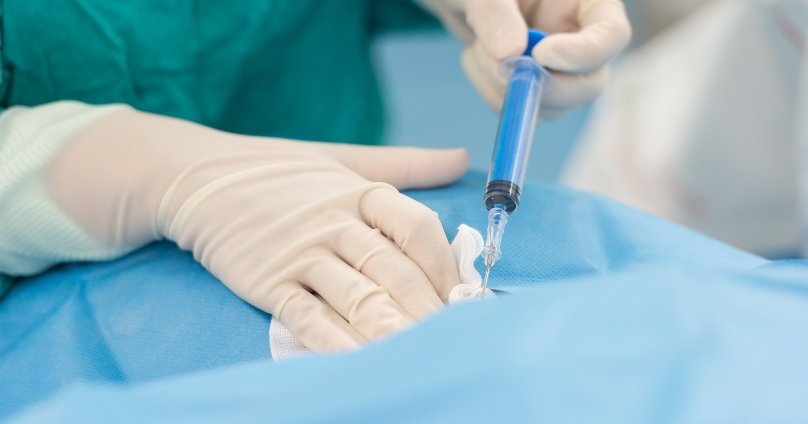
Each patient undergoes thorough neurological evaluation and vascular imaging to assess the severity of narrowing and determine the safest treatment plan.
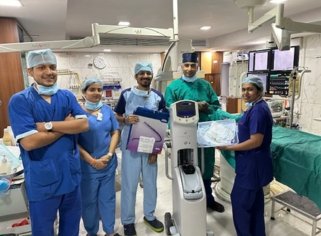
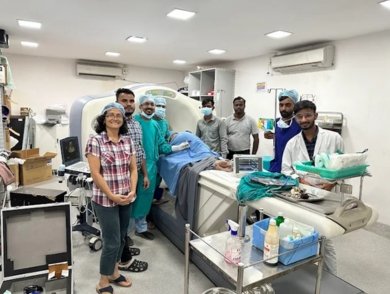
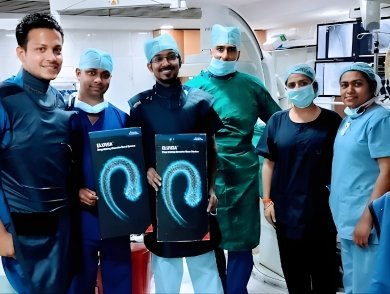
Carotid stenting is performed by Dr. Ankit Shah (MD, FNVIR), Consultant Interventional Radiologist, using advanced angiographic techniques to ensure maximum safety, precision, and long-term stroke prevention.
Common questions about carotid artery stenting
Patients with significant carotid artery narrowing, especially those at high risk for surgery, may benefit from carotid stenting.
When performed by experienced specialists using embolic protection devices, carotid stenting is a safe and effective procedure.
Most patients are discharged within 24–48 hours and resume normal activities shortly thereafter.
Yes, carotid stenting significantly reduces the risk of stroke by restoring proper blood flow to the brain.