Common Myths & Facts
- Home
- Common Myths & Facts
Shop 1, HB, Jawahar Chowk, Shastri Nagar, Bhopal, Madhya Pradesh – 462003
92442 97709
Mon - Sat: 3:00 PM – 8:00 PM

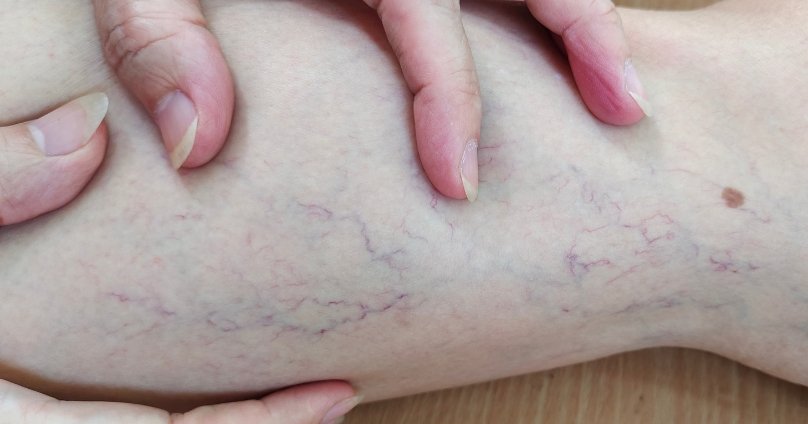
No. They can cause pain, swelling, skin changes, ulcers, and serious complications.
No. Laser, radiofrequency, and injection-based treatments are widely used.
No. Most procedures involve minimal discomfort and quick recovery.
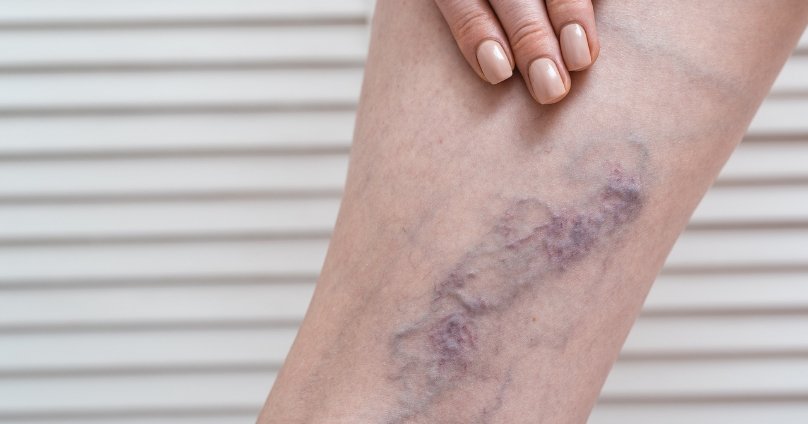
No. It can occur due to long sitting, dehydration, pregnancy, or illness.
Yes. DVT can occur at any age.
No. Some patients have mild or no symptoms.
No. It may be due to reduced blood flow caused by PVD.
No. Supervised walking improves circulation.
No. Untreated PVD can lead to ulcers or limb loss.
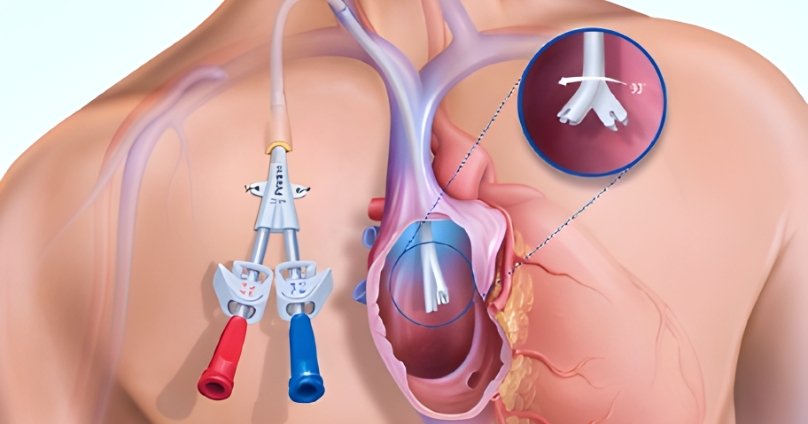
No. It is a minimally invasive procedure performed under local anesthesia.
No. With proper care and hygiene, the risk of infection is low.
Yes. Most patients continue their daily activities with basic precautions.
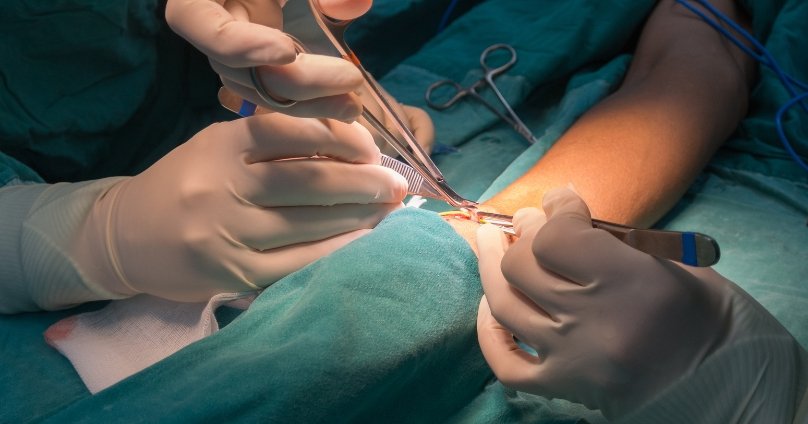
No. Many fistulas can be successfully salvaged.
No. Minimally invasive techniques often restore fistula function.
No. When performed early by specialists, it is generally safe.
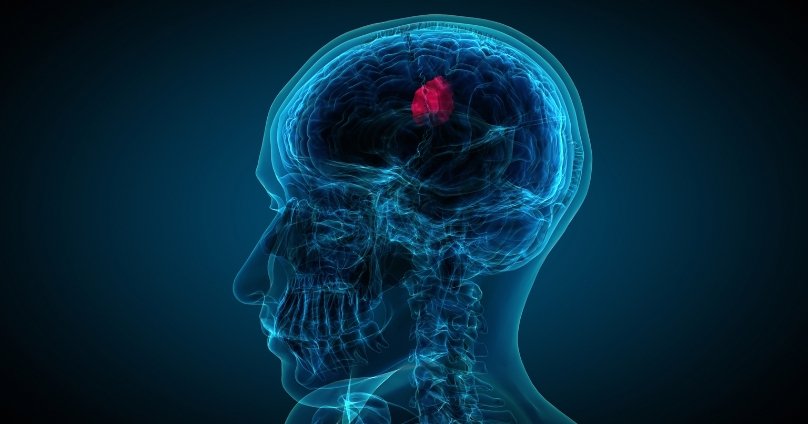
No. Chemoembolization delivers medication directly to the tumor, limiting systemic effects.
No. It may be used at various stages depending on the patient’s condition.
No. It is usually part of a combined treatment plan.
No. Embolization is a minimally invasive, non-surgical option.
No. In suitable patients, it may actually improve fertility.
No. Most patients return to normal activities within a short time.
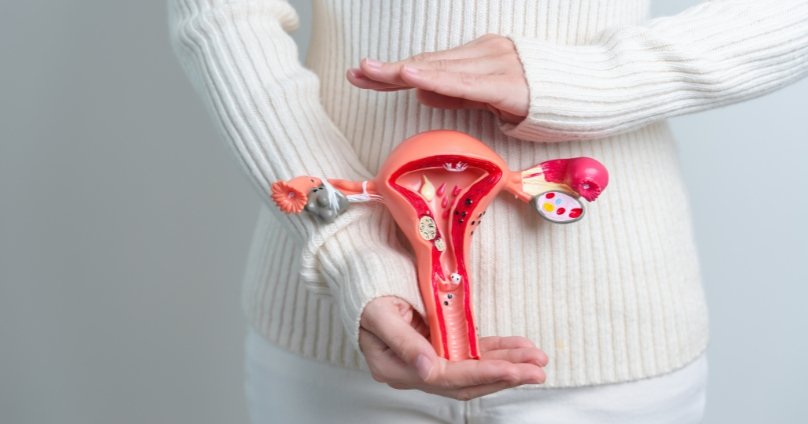
No. UAE treats fibroids while preserving the uterus.
No. Many women have conceived successfully after the procedure.
No. Pain is temporary and well managed with medication.

No. GAE offers a minimally invasive option for pain relief.
No. It reduces inflammation by targeting abnormal blood vessels.
No. Most patients are able to walk on the same day.
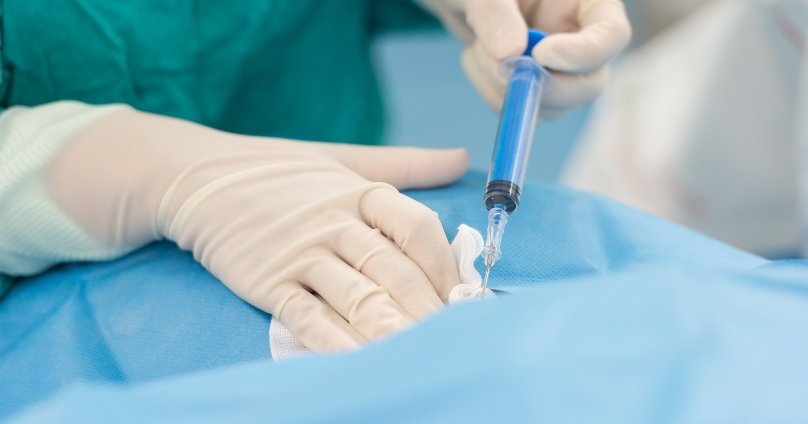
No. Carotid stenting is a safe and effective option for selected patients.
No. When performed by experienced specialists, the risks are low.
No. It is often performed to prevent stroke.

No. Embolization can control bleeding without open surgery.
No. It targets only the bleeding vessel while preserving healthy tissue.
No. It is a well-established and proven treatment.

No. It uses sound waves and is completely safe.
No. It is painless and non-invasive.
No. They are accurate, trusted, and widely used diagnostic tools.