Peripheral Vascular Disease (PVD)
- Home
- Peripheral Vascular Disease (PVD)
Shop 1, HB, Jawahar Chowk, Shastri Nagar, Bhopal, Madhya Pradesh – 462003
92442 97709
Mon - Sat: 3:00 PM – 8:00 PM
Peripheral Vascular Disease (PVD) is a condition caused by narrowing or blockage of blood vessels outside the heart, most commonly affecting the legs. It can lead to leg pain while walking, numbness, non-healing wounds, and in severe cases, gangrene.
At Vascular Care Clinic, we provide accurate diagnosis and advanced, minimally invasive treatments for PVD using image-guided interventional radiology techniques to restore blood flow and prevent limb-threatening complications.
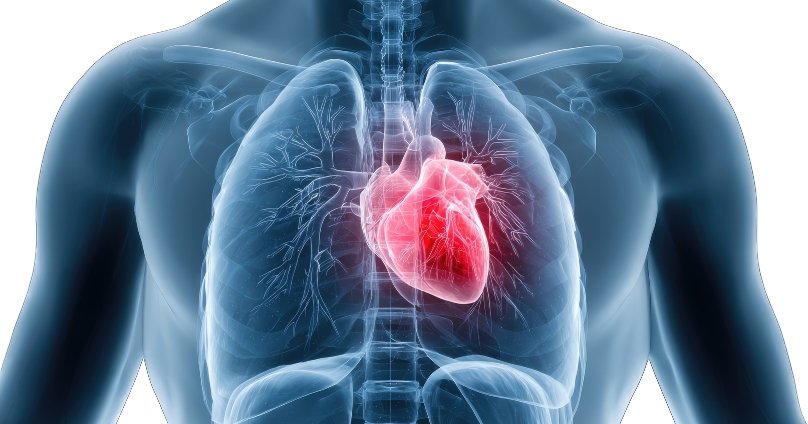
Each patient undergoes detailed vascular assessment and imaging to identify blocked or narrowed arteries and plan a personalized treatment strategy.
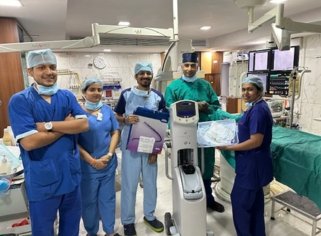
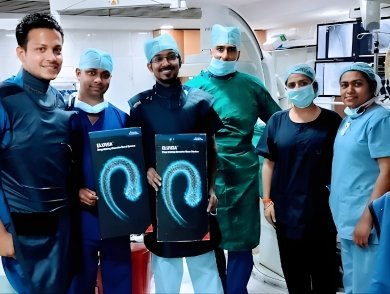
Treatment is performed by Dr. Ankit Shah (MD, FNVIR), Consultant Interventional Radiologist, using advanced endovascular techniques to restore circulation, relieve symptoms, and reduce the risk of limb loss.
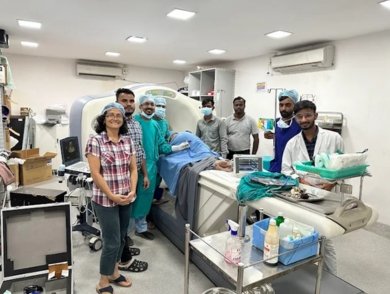
Frequently asked questions about PVD treatment and recovery
Common symptoms include leg pain while walking, numbness, cold feet, slow-healing wounds, and color changes in the skin.
Most cases can be treated with minimally invasive angioplasty or stenting, avoiding open surgery.
Most patients experience improvement in walking ability within days and resume routine activities under medical guidance.
Seek medical attention if leg pain worsens, wounds do not heal, or you experience rest pain or skin discoloration.